The buyback market is booming
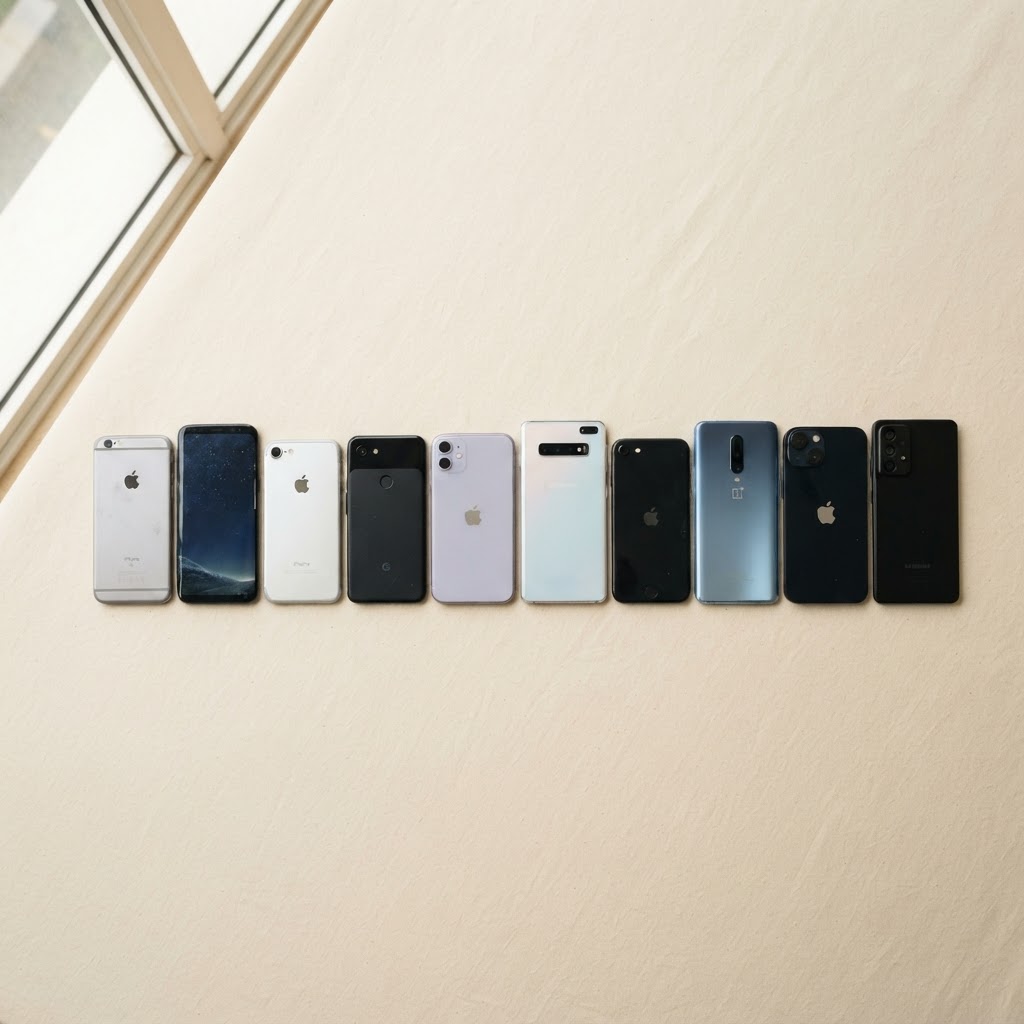
Device buyback and trade-in is no longer a niche activity. It's become mainstream consumer behaviour, driven by economic pragmatism, environmental awareness, and platform accessibility.
Trend 1: Smartphone upgrade cycles lengthening
Consumers are holding onto their smartphones longer than ever — average upgrade cycles now exceed 3 years in many markets. When they do upgrade, they want to recover value from their old device.
Trend 2: Cost of living pressures
In an era of elevated inflation and squeezed household budgets, the ability to offset the cost of a new device with trade-in credit is enormously appealing.
Trend 3: Corporate device lifecycle management
Businesses are increasingly looking at structured device buyback as part of their IT asset disposition (ITAD) strategy. ESG commitments are accelerating this shift.
Trend 4: Platform accessibility
The rise of mobile-first buyback platforms has reduced friction dramatically. Consumers can now get a quote, ship their device, and receive payment within days.
Trend 5: Certification and regulation
Refurbished device certifications and stricter e-waste regulations are creating a more structured, professional market.
The opportunity ahead
With the global secondhand electronics market projected to exceed $100 billion by 2028, businesses in this space are positioned at the intersection of consumer demand, sustainability imperatives, and digital convenience.